
Every year, thousands of perfectly usable items end up in landfills simply because giving them away is more difficult than throwing them out. Traditional marketplaces focus on buying and selling, while community groups often become cluttered with endless text posts, delayed responses, and unreliable pickups.
Swing was created to solve a simple problem:
What if giving something away was just as effortless as posting a short video?
Swing is a mobile platform that encourages people to share unwanted items with their local community completely free of charge. Instead of negotiating prices, users simply record a short video, schedule pickup times, and let someone nearby give the item a second life.
The goal wasn't to build another marketplace—it was to design a habit of generosity.
Giving away unwanted items should be simple, but existing platforms often make the process frustrating and unreliable. People typically use Facebook Marketplace, local community groups, or messaging apps to offer free items, only to encounter endless conversations, no-shows, and uncertainty about an item's actual condition.
Photos alone rarely tell the full story, leaving collectors unsure of what they'll receive. Likewise, those giving away items spend unnecessary time answering repeated questions about wear, functionality, and availability. This friction discourages people from sharing reusable items, causing many perfectly usable belongings to end up in storage—or worse, in landfill.
There is a need for a platform that makes free item sharing transparent, efficient, and trustworthy while reducing unnecessary communication between both parties.
Swing was designed to make giving away free items as simple as recording a short video. Before publishing a listing, users clearly state the item's condition—such as New, Like New, Good, Fair, or Needs Repair—ensuring collectors know exactly what to expect before expressing interest. This transparency is reinforced with a short video that provides a realistic view of the item's appearance and functionality.
The platform combines condition-based listings, video-first content, scheduled pickups, personalized discovery, and a community-driven reputation system to create a smoother sharing experience.
The primary goals were to:
By focusing on transparency, convenience, and community, Swing transforms the process of giving away unwanted items into an experience that is reliable, rewarding, and environmentally conscious.
To better understand the opportunity, I explored local Facebook giveaway groups, Freecycle communities, Gumtree listings, and interviewed people who regularly donated or collected second-hand items.
Several recurring patterns emerged.
Many users struggled to explain an item's condition through text. Photos often failed to communicate scratches, functionality, or scale.
Short videos immediately solved this problem.
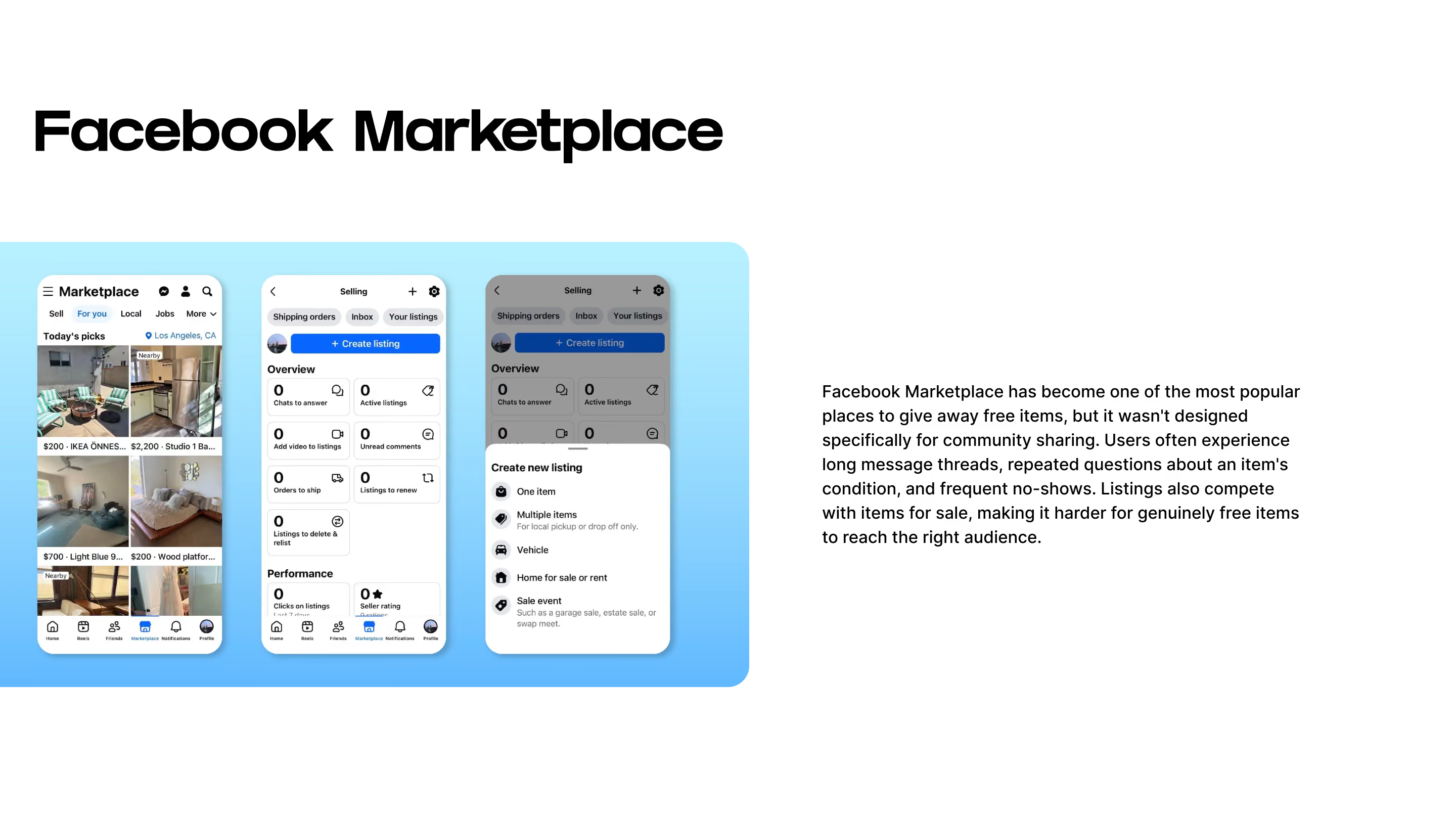
While Facebook Marketplace is a convenient place to find free items, the experience can often feel unstructured. Collectors may need to send multiple messages just to check availability, arrange a pickup, or ask about an item's condition. For those giving items away, managing dozens of inquiries and dealing with missed collections can quickly become overwhelming.
Swing reimagines this experience by putting structure and transparency first. Sellers clearly indicate the condition of an item before listing it, support it with a short video, and set their available pickup dates upfront. Collectors simply choose a suitable collection slot, and the pickup location is revealed only on the agreed date. By removing unnecessary conversations and focusing exclusively on free items, Swing creates a more reliable, efficient, and community-driven way to share with others.
Photos rarely showed enough detail. Users frequently asked whether an item worked, whether it had scratches, or what condition it was in.
Video immediately answered many of these questions.
Most giveaways involved lengthy exchanges trying to find a suitable pickup time.
People wanted a simpler way to coordinate collections.
One of the biggest frustrations for people giving items away was reserving an item only for the collector never to arrive.
Clear pickup windows could significantly reduce this problem.
Users interested only in books or furniture still had to browse hundreds of unrelated listings.
People wanted content tailored to their interests.
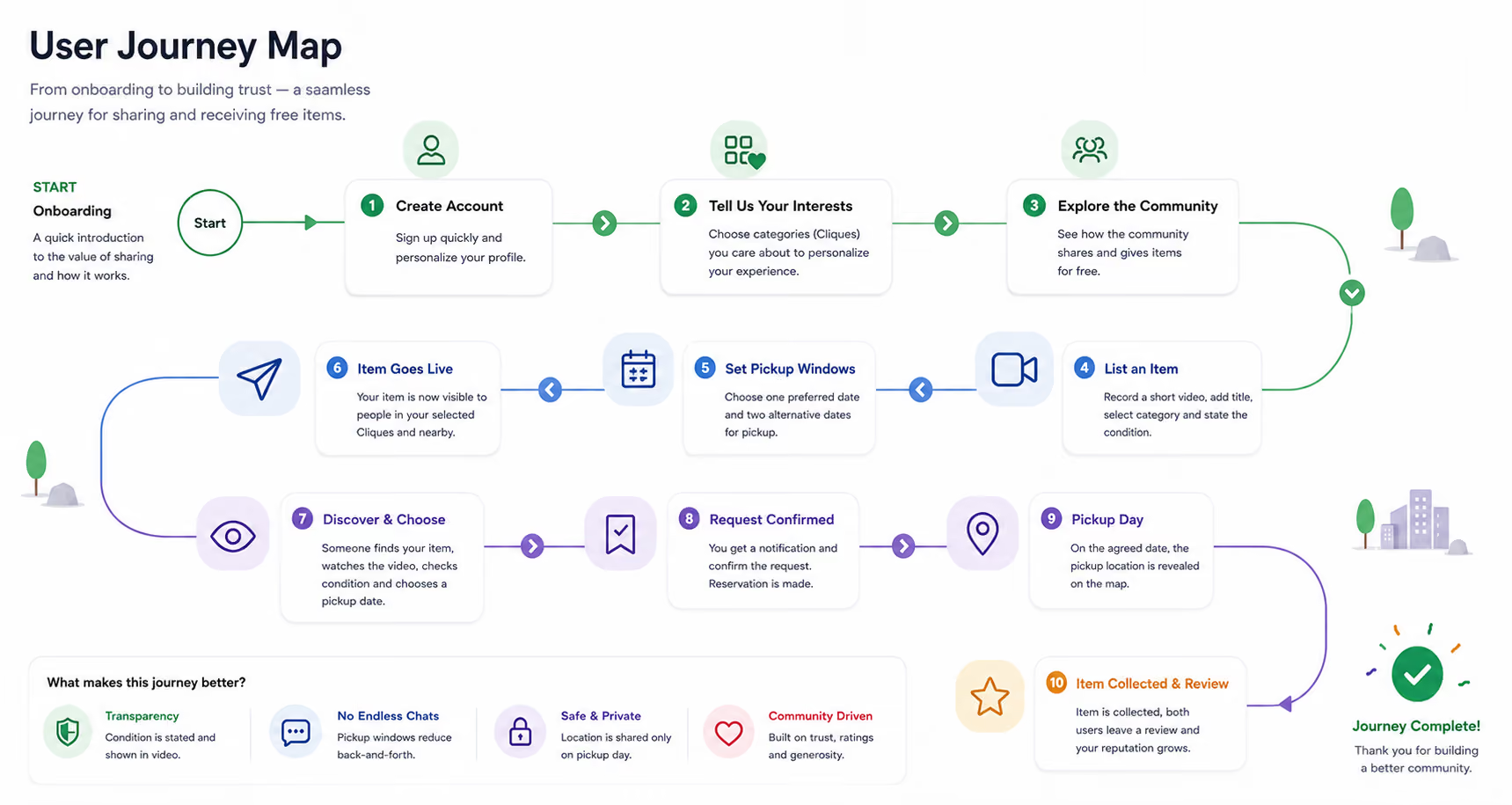
The user journey was designed to make sharing free items feel effortless from start to finish. Rather than focusing on transactions, the experience encourages community participation by removing common points of friction such as lengthy conversations, unclear item descriptions, and unreliable pickups. Every interaction was carefully considered to create a transparent, trustworthy, and enjoyable experience for both the person giving an item away and the person collecting it.
The journey begins with a simple onboarding experience that introduces users to Swing's mission of reducing waste through community sharing. New users create an account, complete their profile, and select the categories of items they're most interested in. These preferences help personalize their feed from the very beginning, ensuring they immediately discover relevant listings.
When users want to give something away, they start by selecting the item's condition before recording a short video. They then add a title, choose a category, and provide any additional details that might be helpful. By combining a condition label with video, the listing communicates far more information than photos alone, allowing collectors to make informed decisions without asking unnecessary questions.
Instead of waiting for collectors to ask when an item can be picked up, the owner defines one preferred collection date along with two alternative options before publishing the listing. This structured scheduling system removes much of the back-and-forth communication typically associated with free item exchanges while making expectations clear for both parties.
Collectors browse a personalized feed of nearby free items, filtered by the Cliques they've joined. Each listing presents the item's condition, a short video, and the available pickup dates, allowing users to quickly evaluate whether the item meets their needs. Once they find something they're interested in, they simply choose one of the available collection times and submit a request.
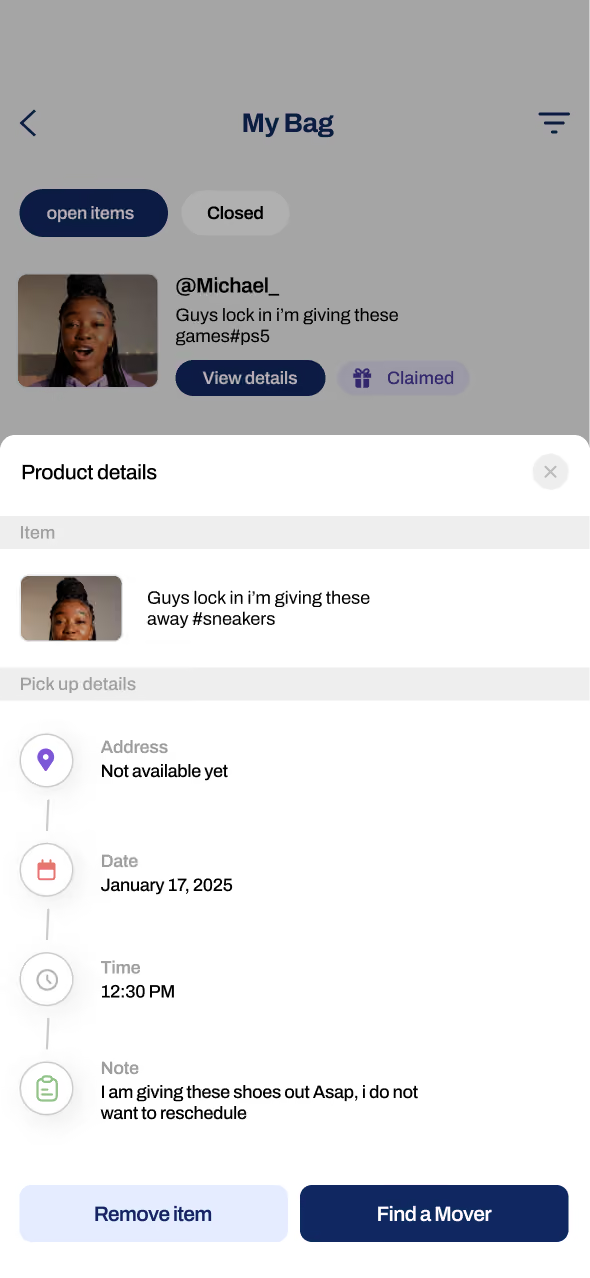
After the owner accepts the request, the item is reserved for the selected pickup window. To protect user privacy, the exact pickup address remains hidden until the agreed collection day. When it's time to collect the item, the address becomes visible within the app and users can navigate directly to the location using the integrated map.
Once the collection is complete, both users are invited to leave a review based on their experience. These reviews contribute to each user's overall community rating, while their profile is updated to reflect the number of items they've successfully given away or collected. Rather than rewarding popularity through followers, Swing builds trust by highlighting meaningful contributions to the community, encouraging users to continue sharing and helping reusable items find new homes.
The screens were designed with simplicity, clarity, and accessibility at their core. Every interface was carefully crafted to reduce friction and guide users through each step of the sharing process with minimal effort. From onboarding and item listings to scheduling pickups and leaving reviews, each screen prioritizes clear visual hierarchy, intuitive navigation, and straightforward interactions. The result is a cohesive mobile experience that keeps the focus on community sharing while making it easy for users to give, discover, and collect free items with confidence.


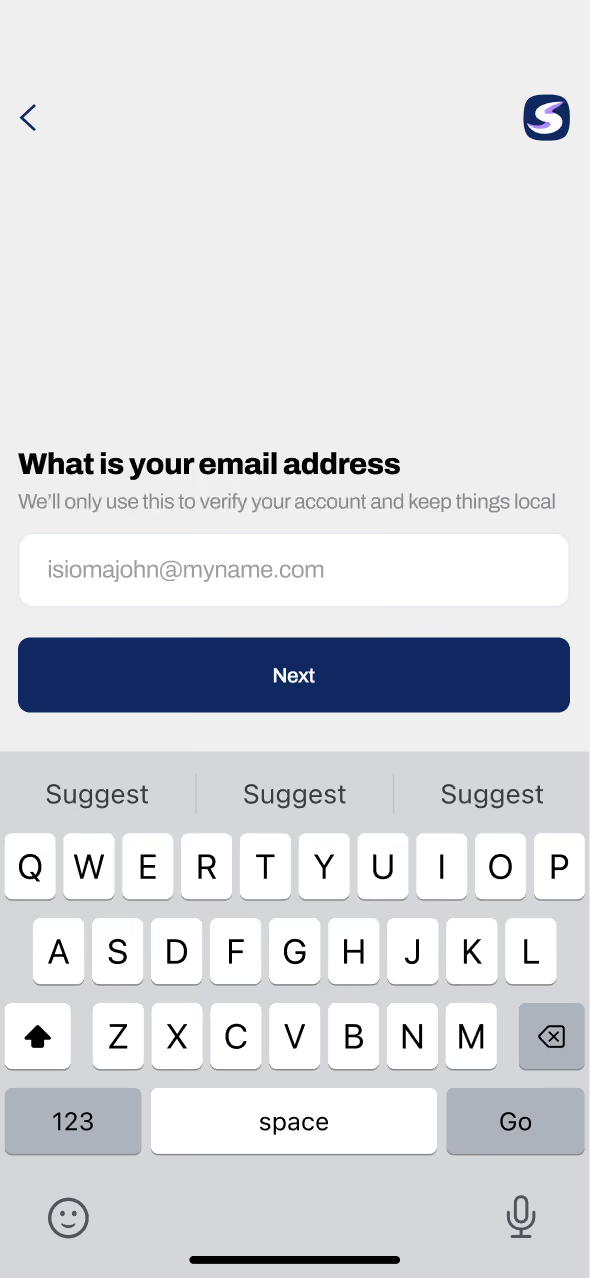
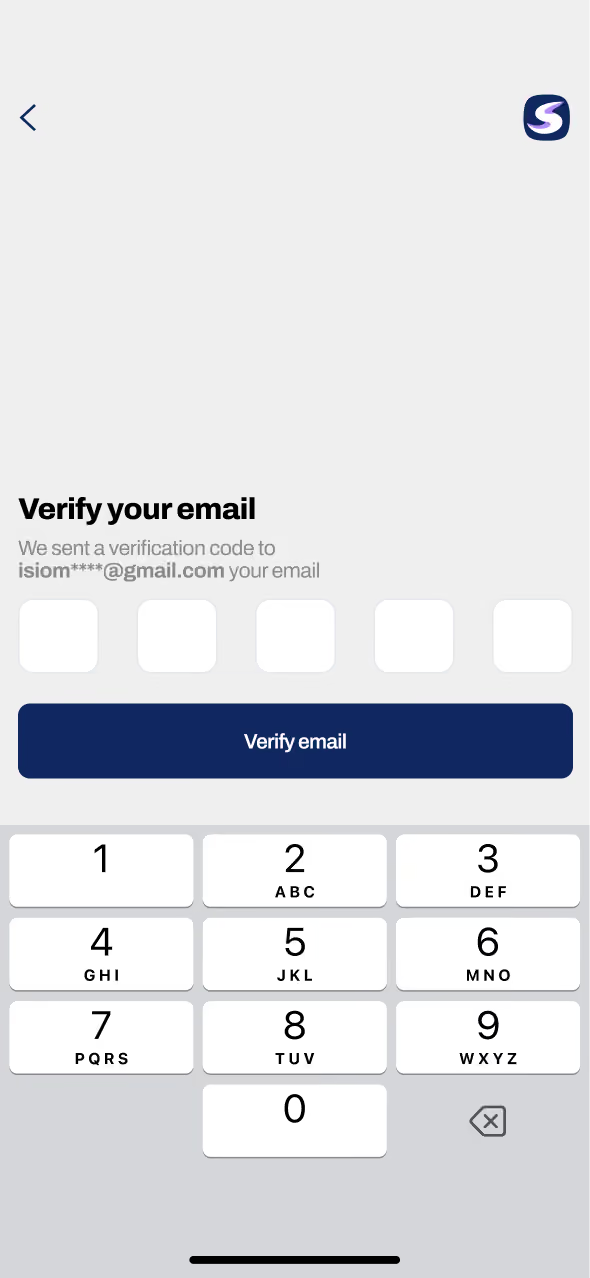
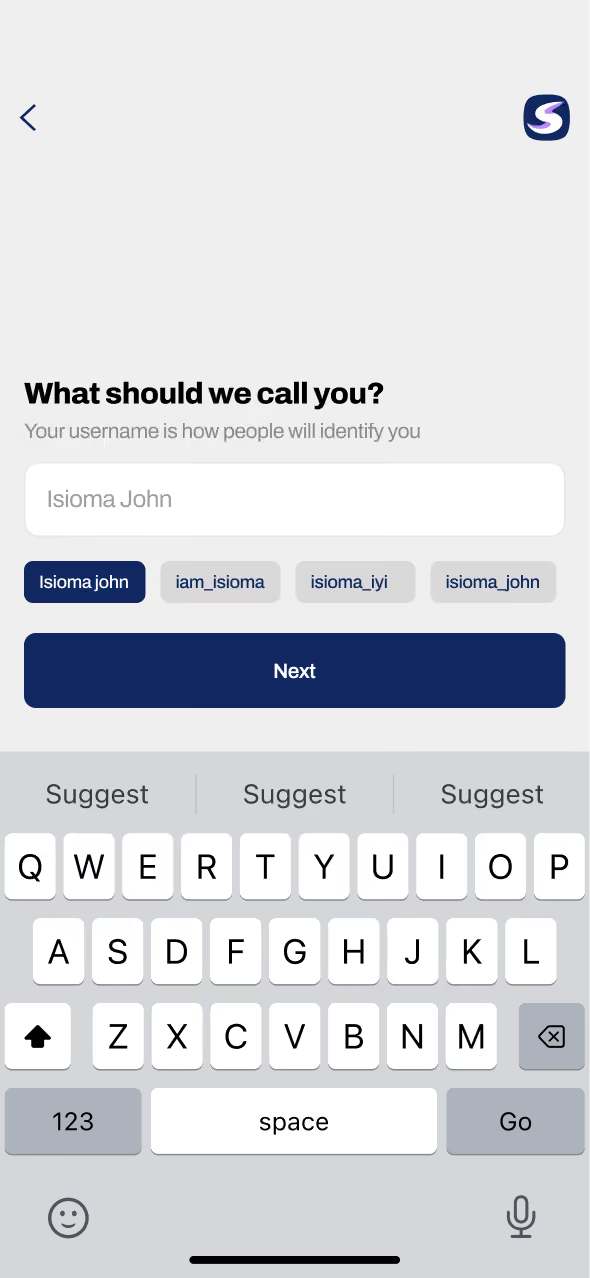
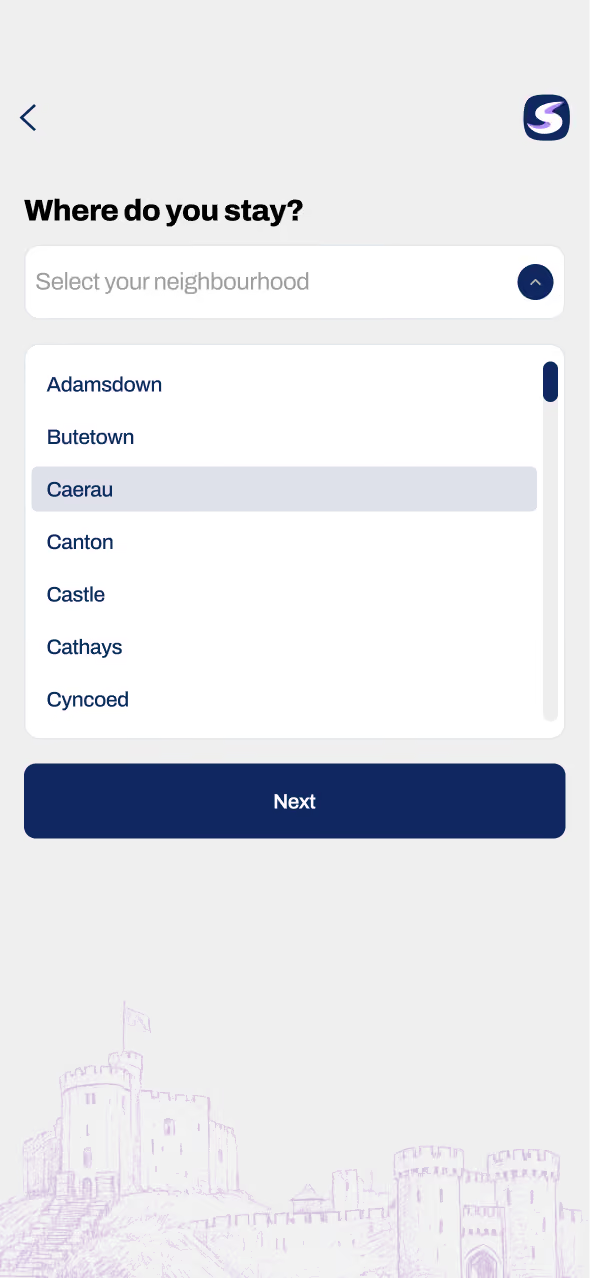
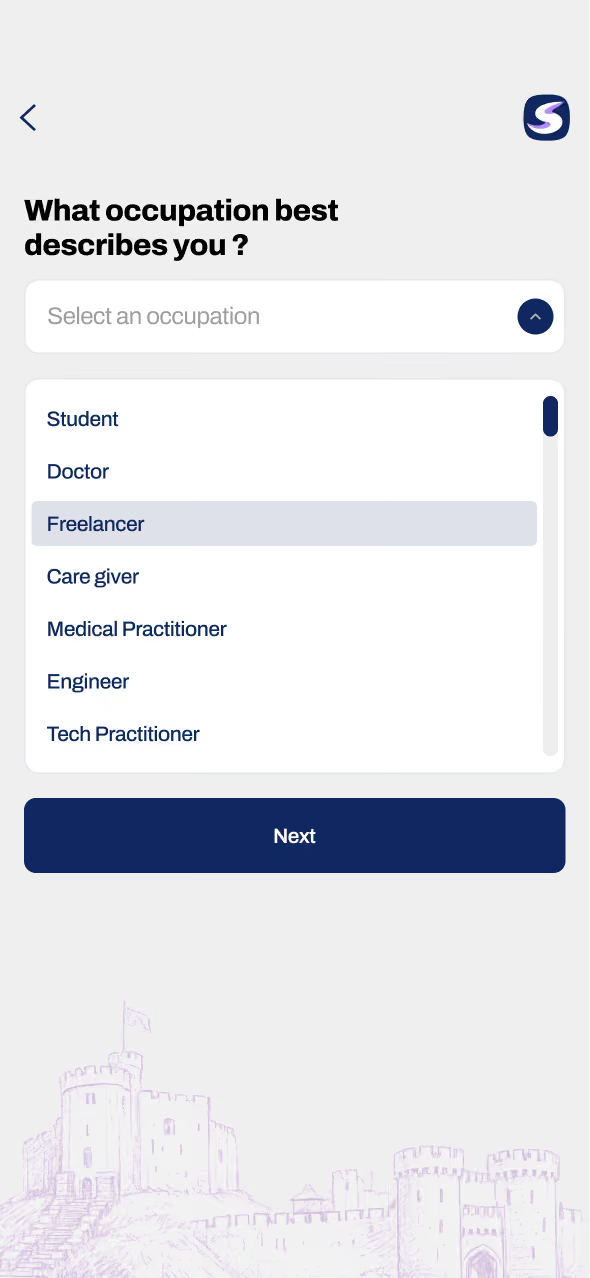
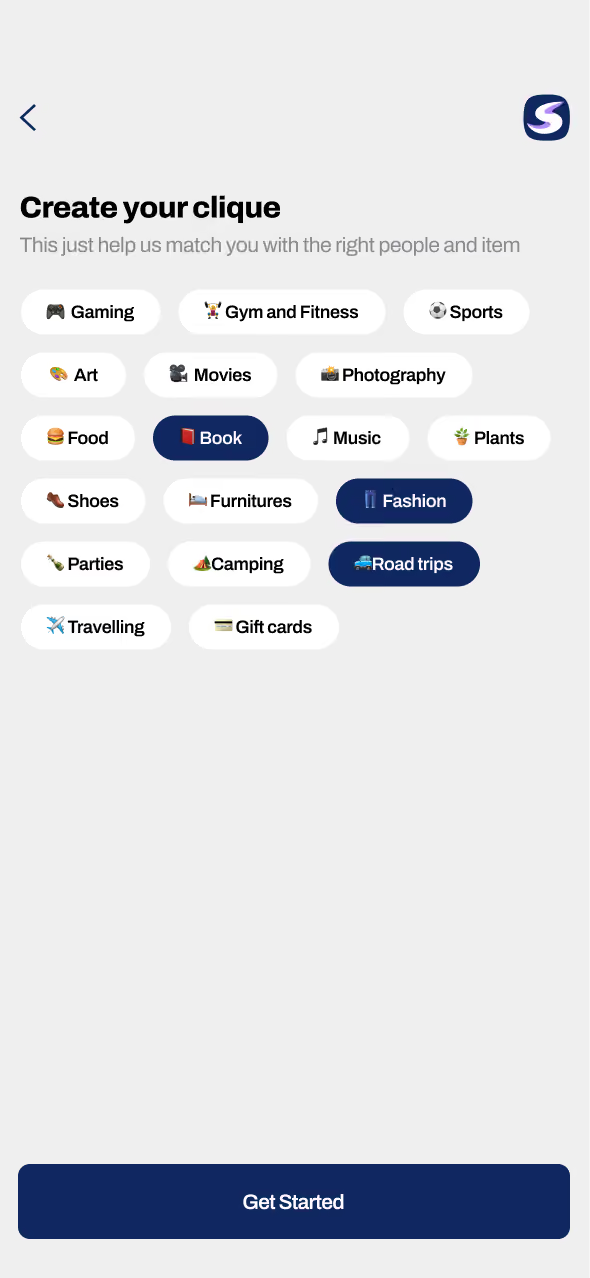
The onboarding experience was designed to quickly introduce new users to Swing's purpose while collecting only the information needed to personalize their experience. Users are guided through a simple step-by-step flow where they create an account, verify their email, complete a few profile details, and select their interests by joining relevant Cliques. By the end of onboarding, each user receives a personalized feed tailored to the categories they care about, making it easier to discover free items from the moment they enter the app. The process is intentionally lightweight, reducing friction while establishing trust and setting the foundation for a community-driven experience.
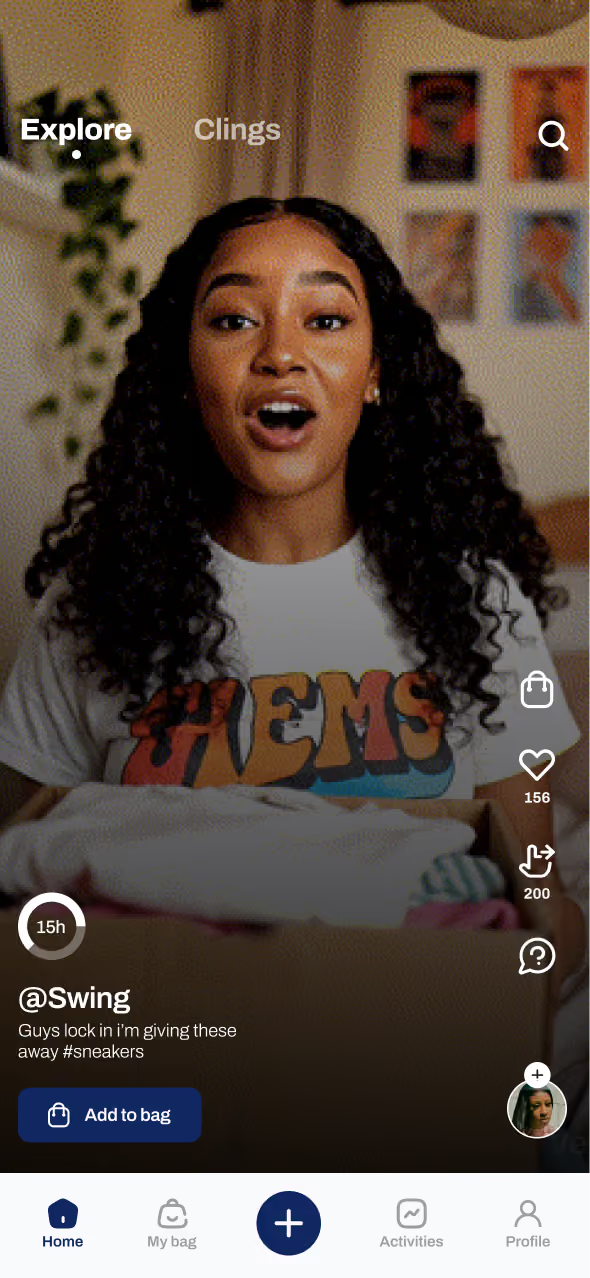
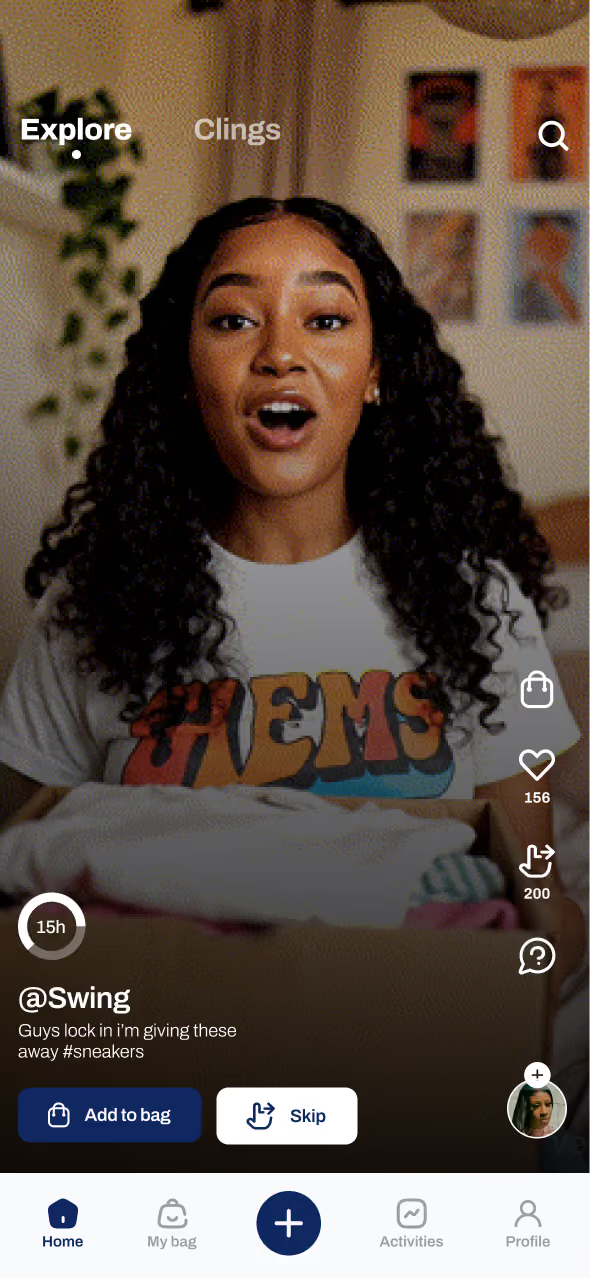
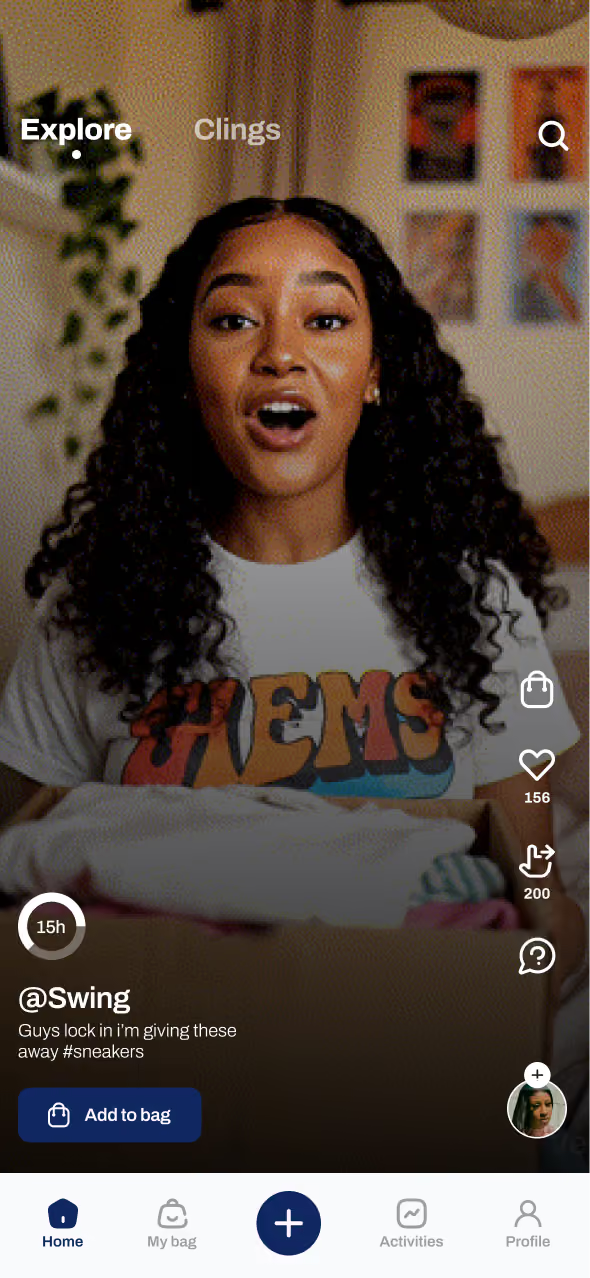
The home screen was designed to help users discover free items as quickly as possible through an immersive, video-first feed. Inspired by familiar short-form content experiences, users can effortlessly browse nearby listings, view an item's condition, and learn more without leaving the feed. Clear call-to-actions allow users to either add the item to their bag for later or skip to continue exploring, making discovery fast and intuitive.
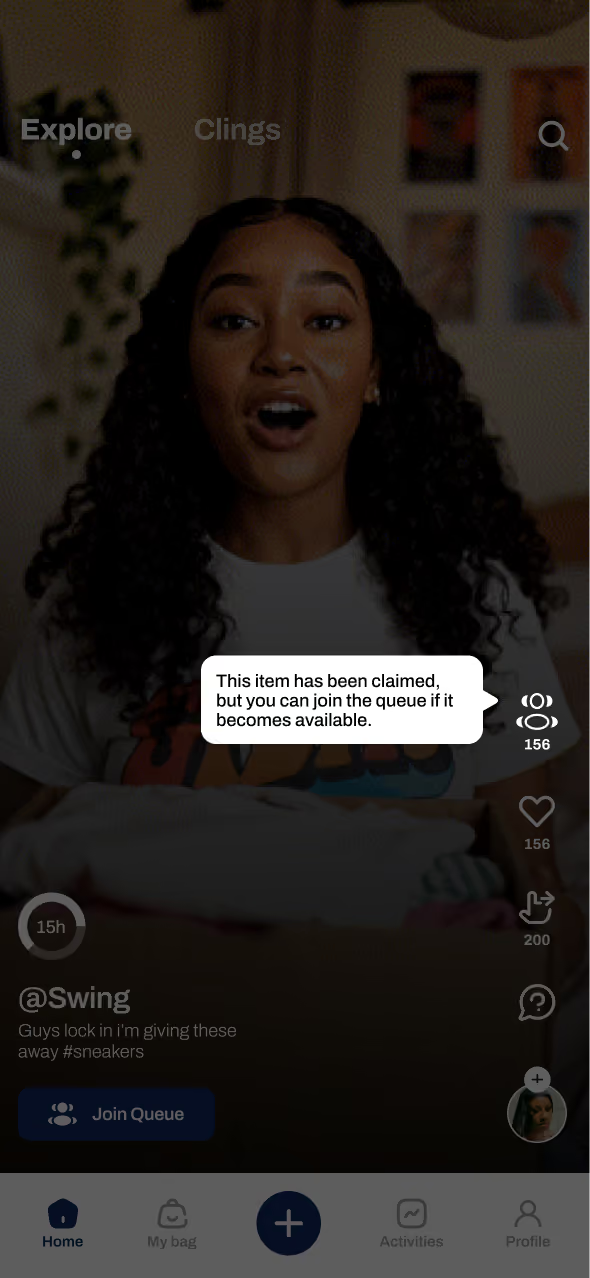
When an item is no longer available, users have the option to join a queue, allowing them to express interest should the item become available again. This ensures popular items continue to reach interested users without requiring them to repeatedly check listings, creating a fairer and more engaging sharing experience.
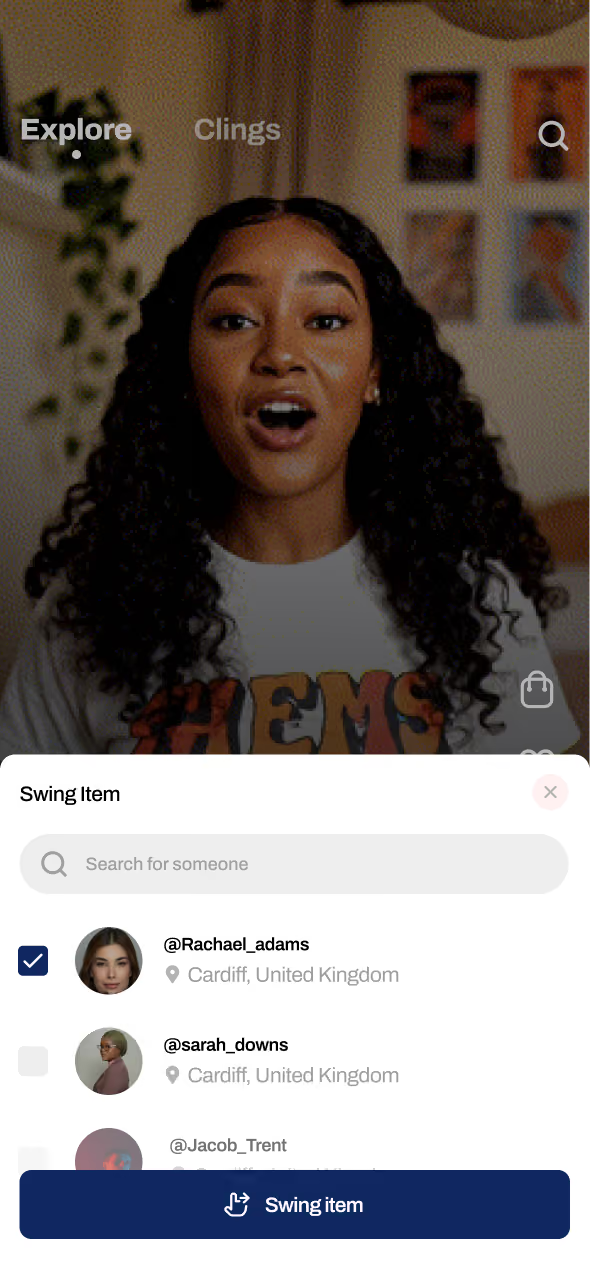
The Swing Item feature enables users to pass an item on to someone else when they realize they no longer need it. Instead of simply collecting items, users are encouraged to continue the cycle of sharing by selecting another recipient from the community, reinforcing Swing's mission of reducing waste through generosity.
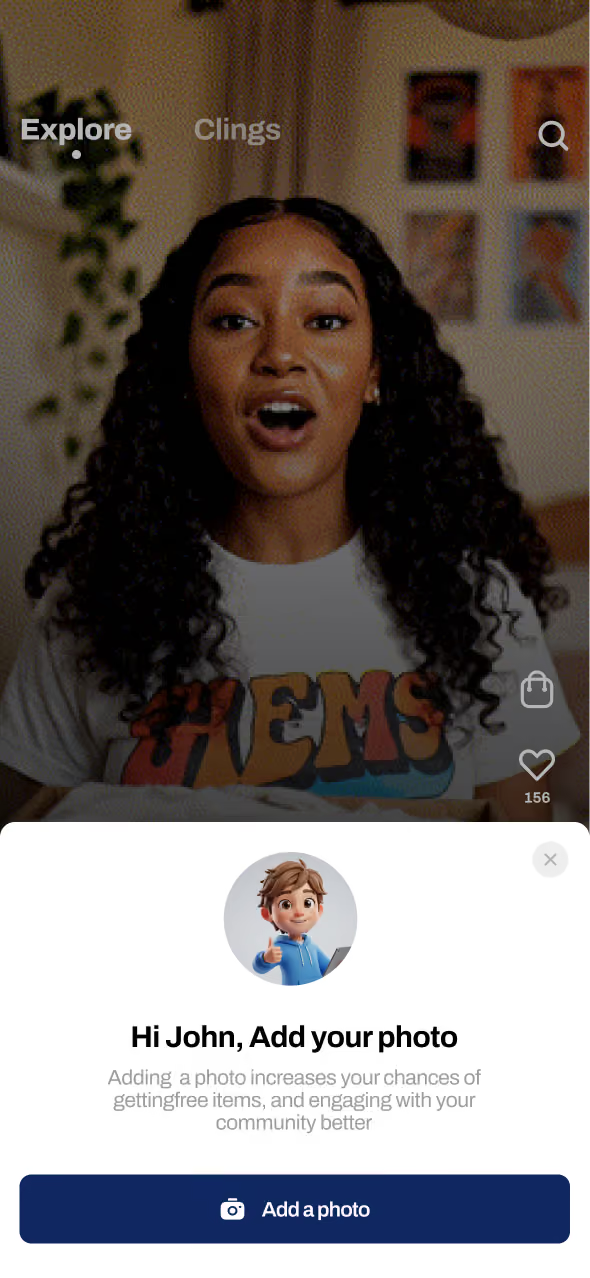
To build trust within the community, new users are also prompted to upload a profile photo after signing up. A recognizable profile helps increase confidence during collections, improves accountability, and creates a more personal and trustworthy experience for both givers and collectors.
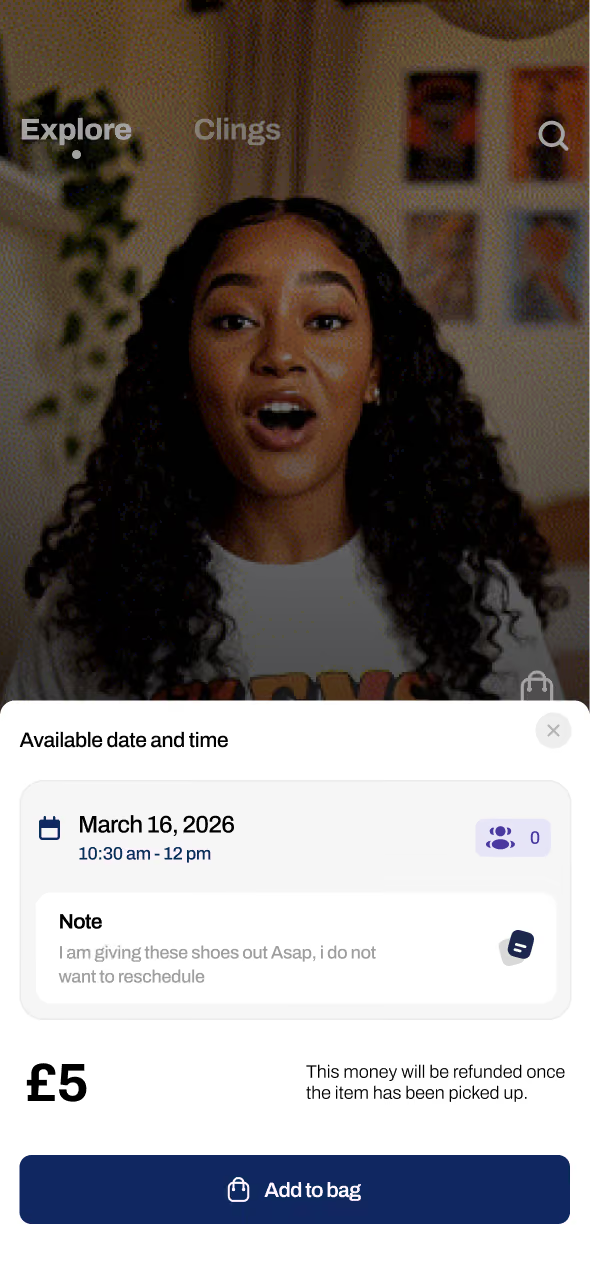
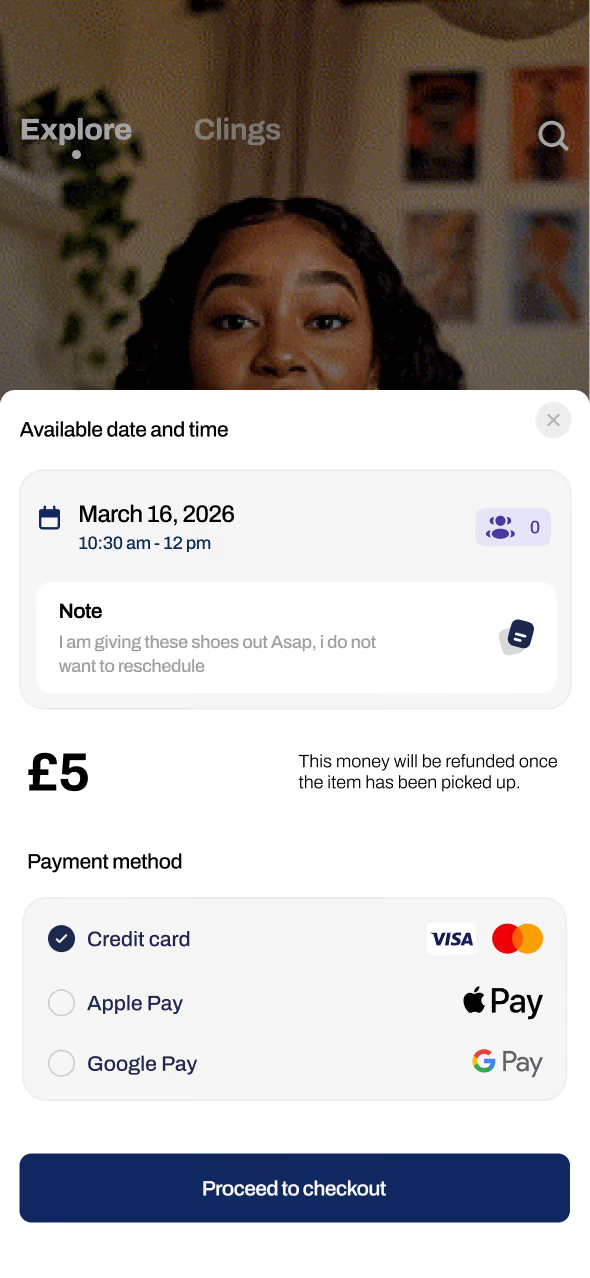
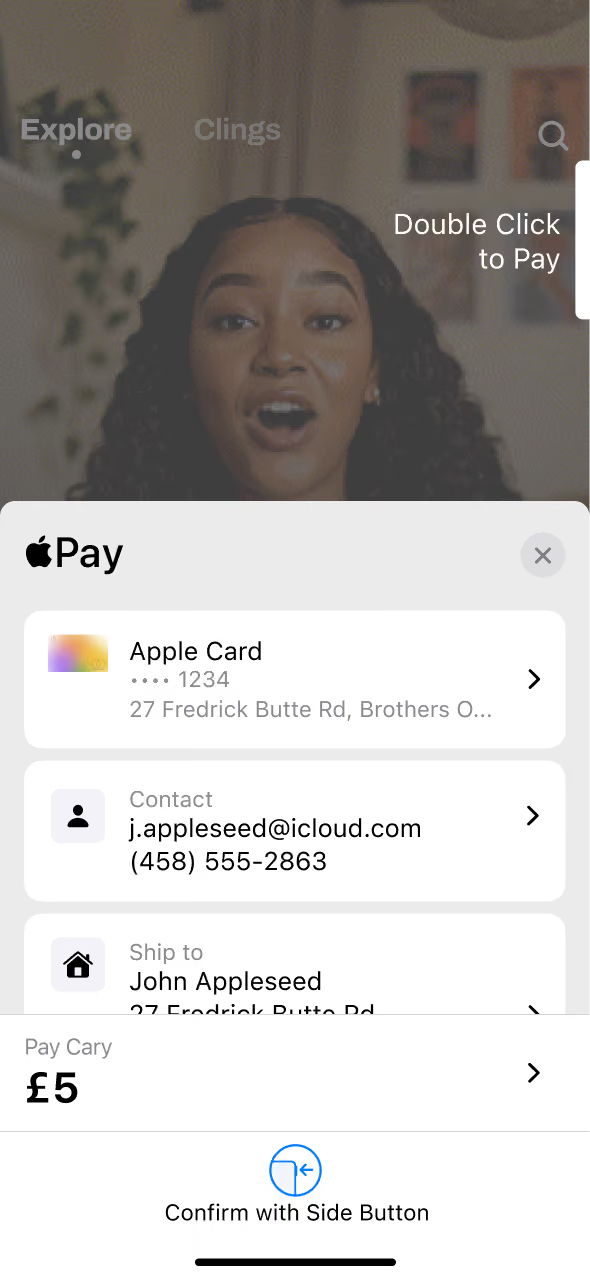
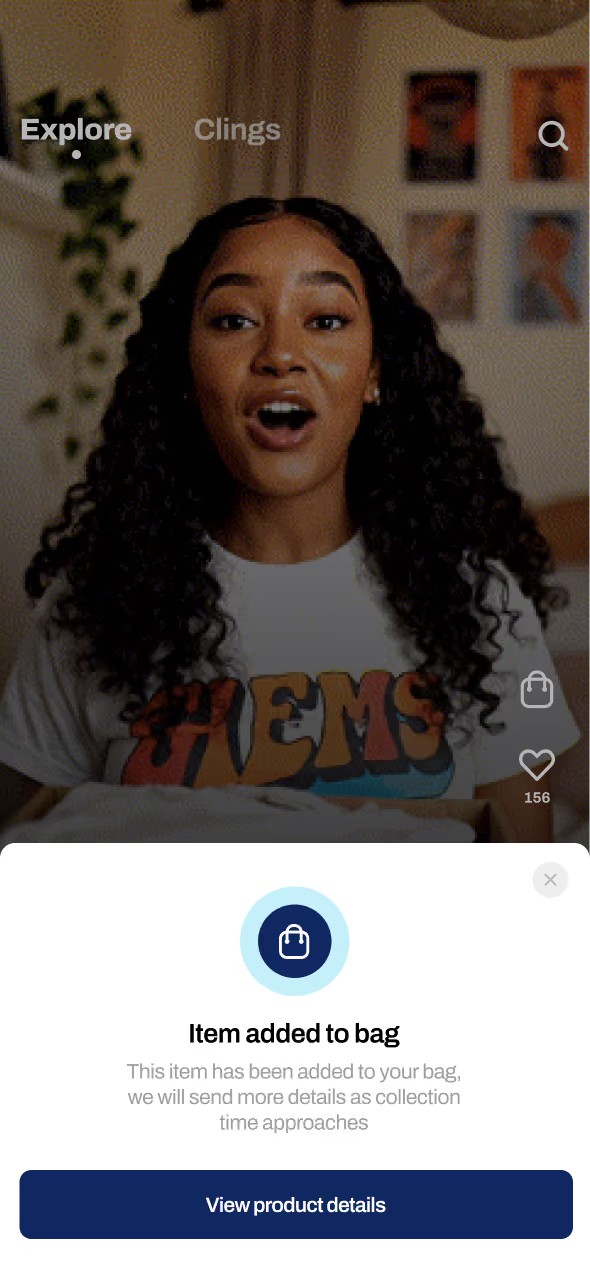
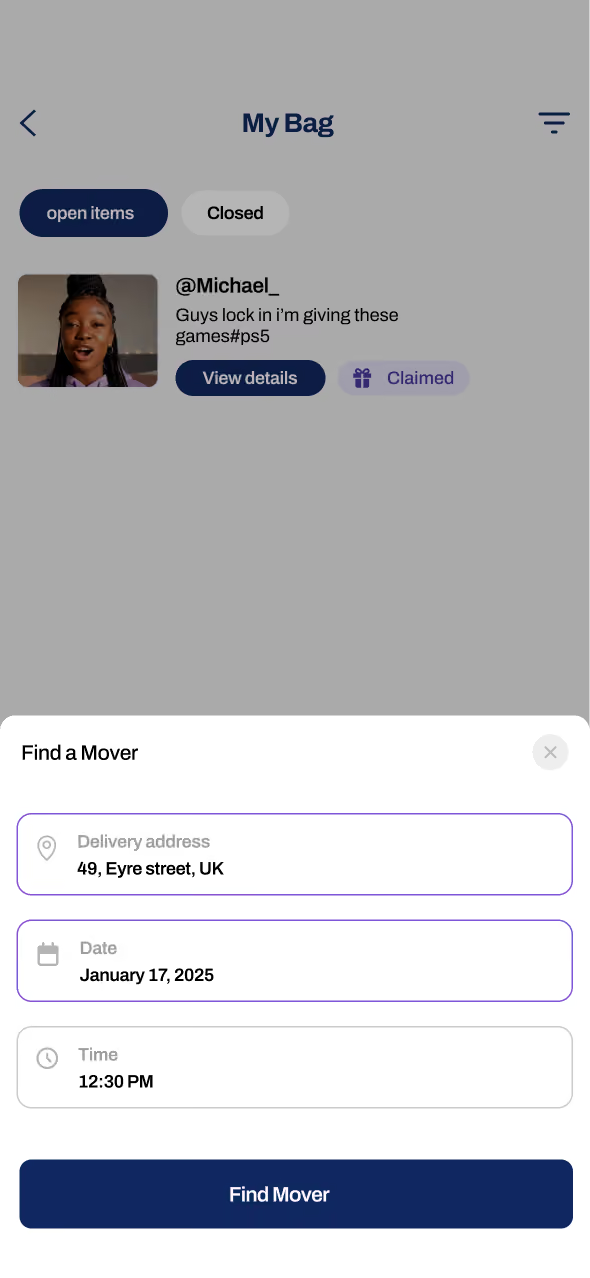
The claiming journey was designed to make collecting free items both reliable and accountable. After discovering an item, users select one of the available pickup windows and pay a £5 refundable commitment fee. This small deposit helps reduce no-shows by encouraging users to honor their reservation, while ensuring the item is held exclusively for them. Once the item has been successfully collected, the full amount is automatically refunded.
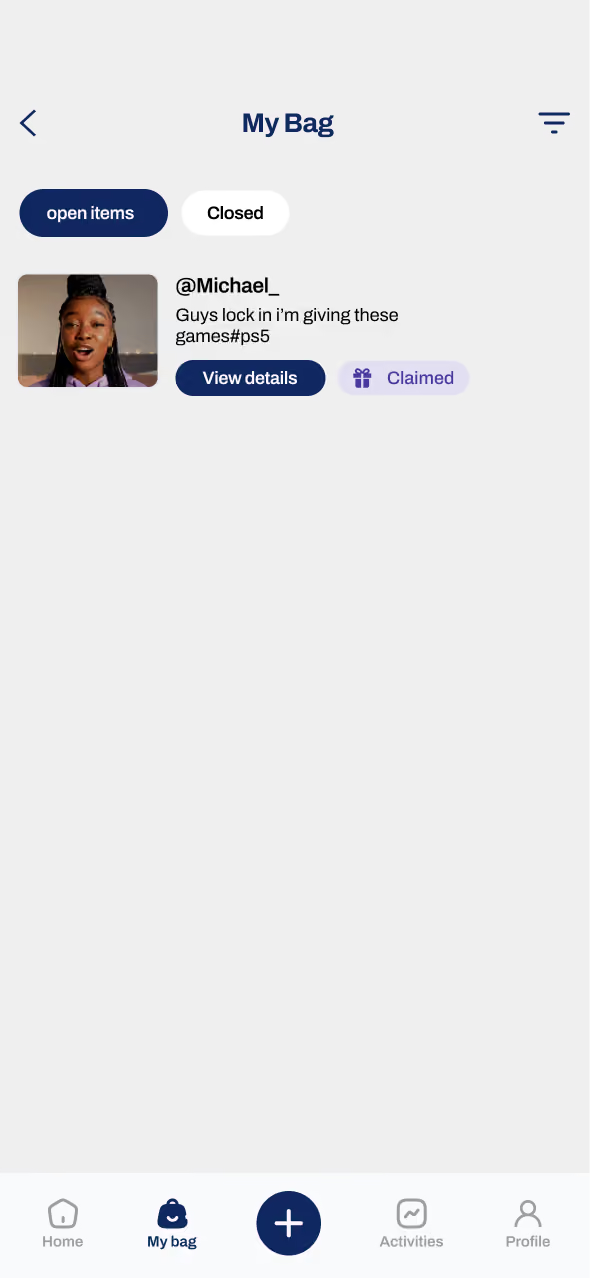
After confirming the reservation, the item is added to the user's Bag, where they can view collection details, manage their booking, and access important information about the item. If circumstances change, users can easily reschedule their pickup by selecting another available date provided by the owner, offering flexibility without requiring lengthy conversations.
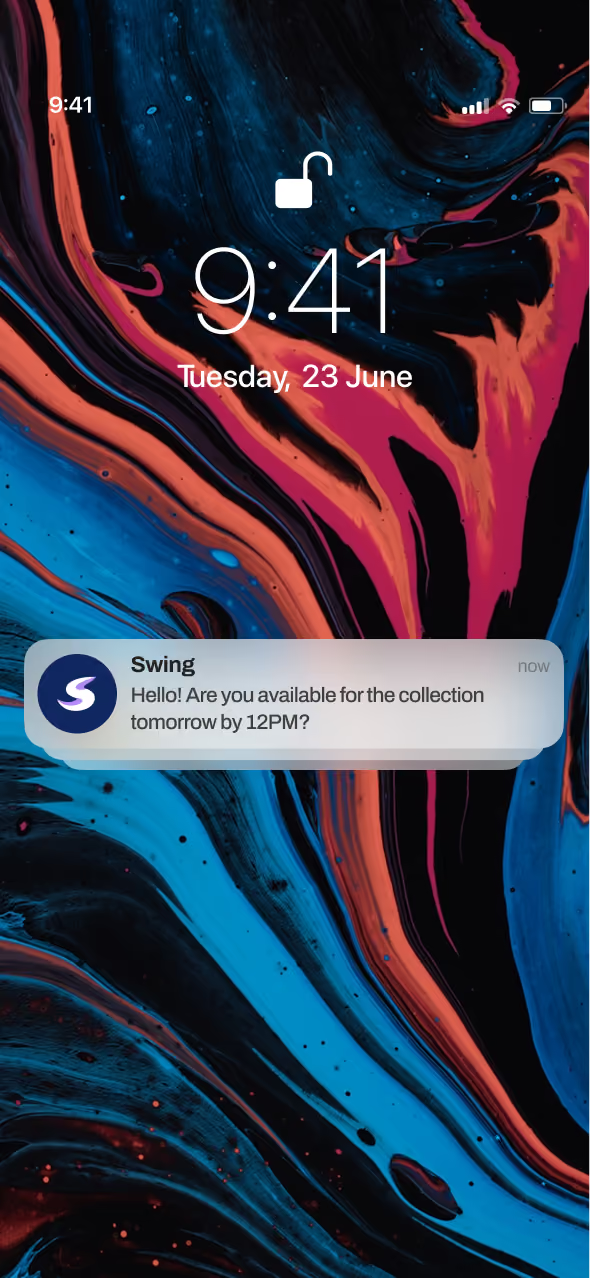
To ensure a smooth collection experience, Swing sends a push notification reminder a few hours before the scheduled pickup. This timely reminder helps users stay on track, reduces missed collections, and improves reliability for both the giver and the collector. By combining refundable deposits, flexible scheduling, and proactive reminders, the collection process becomes more structured, dependable, and stress-free for everyone involved.
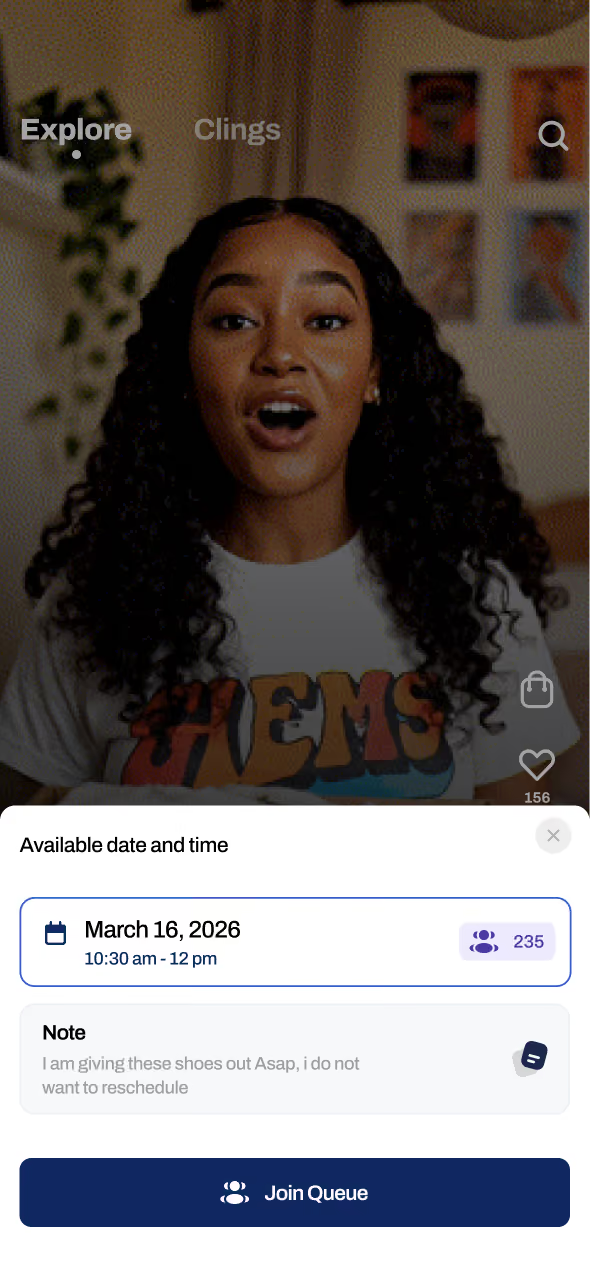

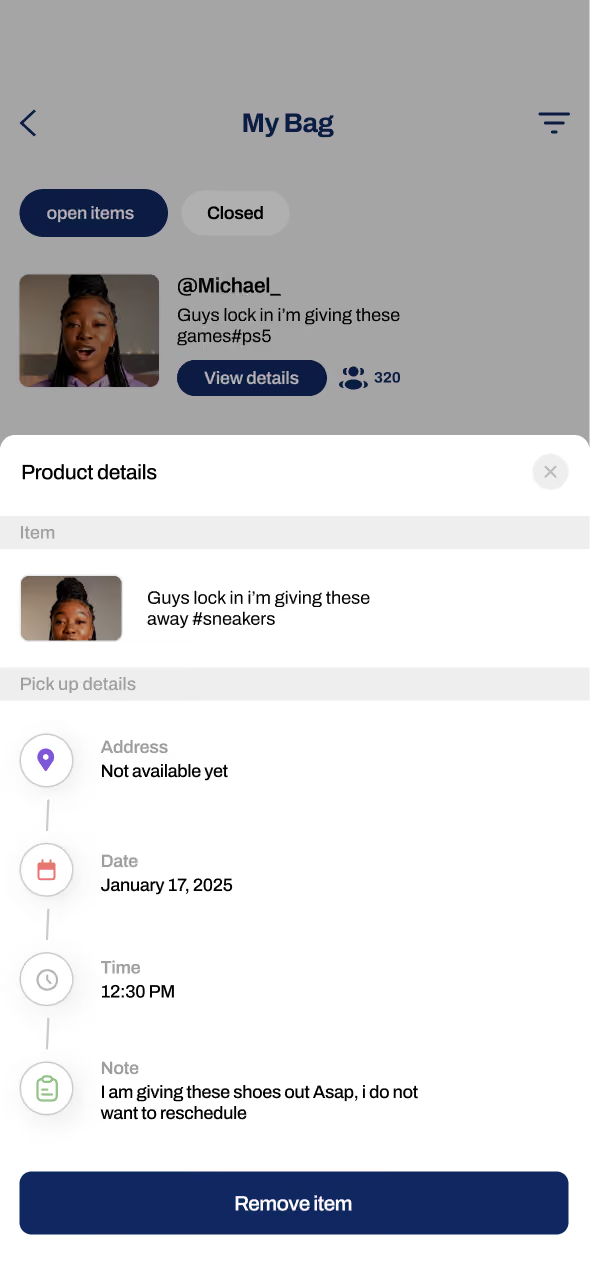
To reduce missed opportunities and ensure popular items don't go to waste, Swing introduces a Queue system. If an item has already been reserved by another user, anyone else interested can join the queue instead of missing out completely. Users simply select one of the available pickup windows and submit their queue request, after which they're added to a waiting list for that specific item.
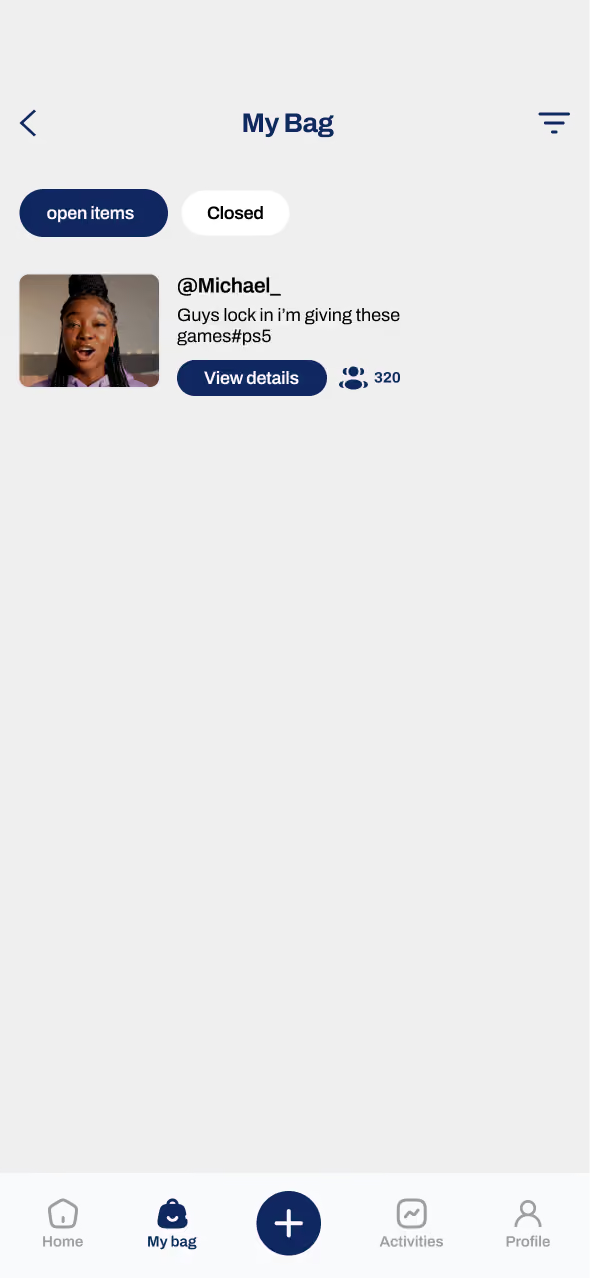
If the original collector cancels their reservation or fails to collect the item within the agreed timeframe, the next person in the queue is automatically notified and given the opportunity to claim it. Once promoted, the item appears in their My Bag, where they can view the pickup details and prepare for collection. This feature keeps the giveaway process fair, minimizes wasted items caused by no-shows, and ensures every item has the best chance of finding a new owner.
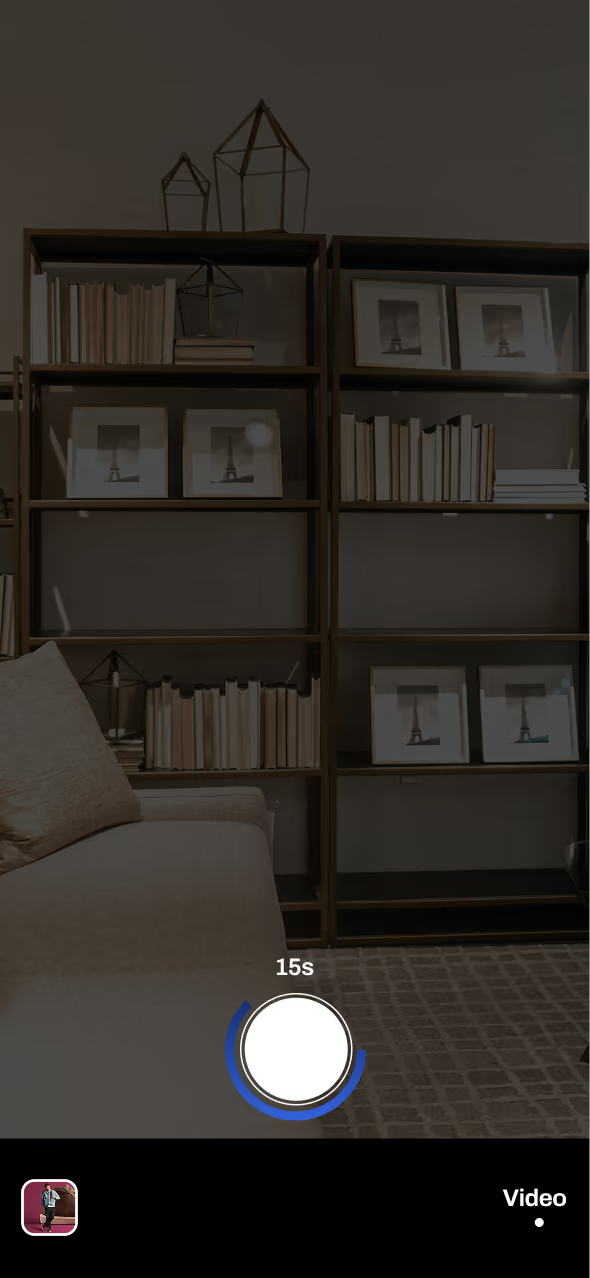

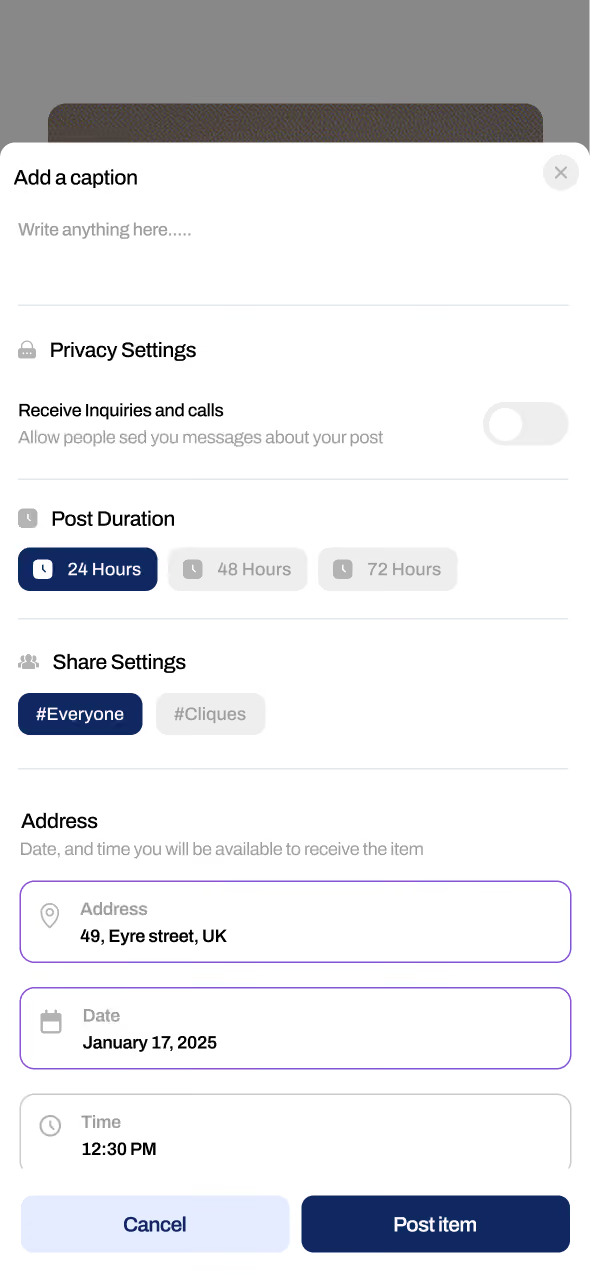
Creating a listing was designed to be as quick and intuitive as possible, encouraging users to share items with minimal effort. The journey begins with recording a short video directly within the app, giving potential collectors a realistic view of the item's condition and helping build trust from the outset. Once the recording is complete, users can preview the video before moving on to the posting stage.
During setup, users add a caption, configure privacy preferences, choose how long the listing should remain active, and decide whether to share it publicly or only within selected Cliques. They also provide the pickup address, preferred collection date, and collection time, ensuring all essential information is available before the item goes live. With just a few simple steps, the listing is published to the community, making it easy for nearby users to discover and request the item.
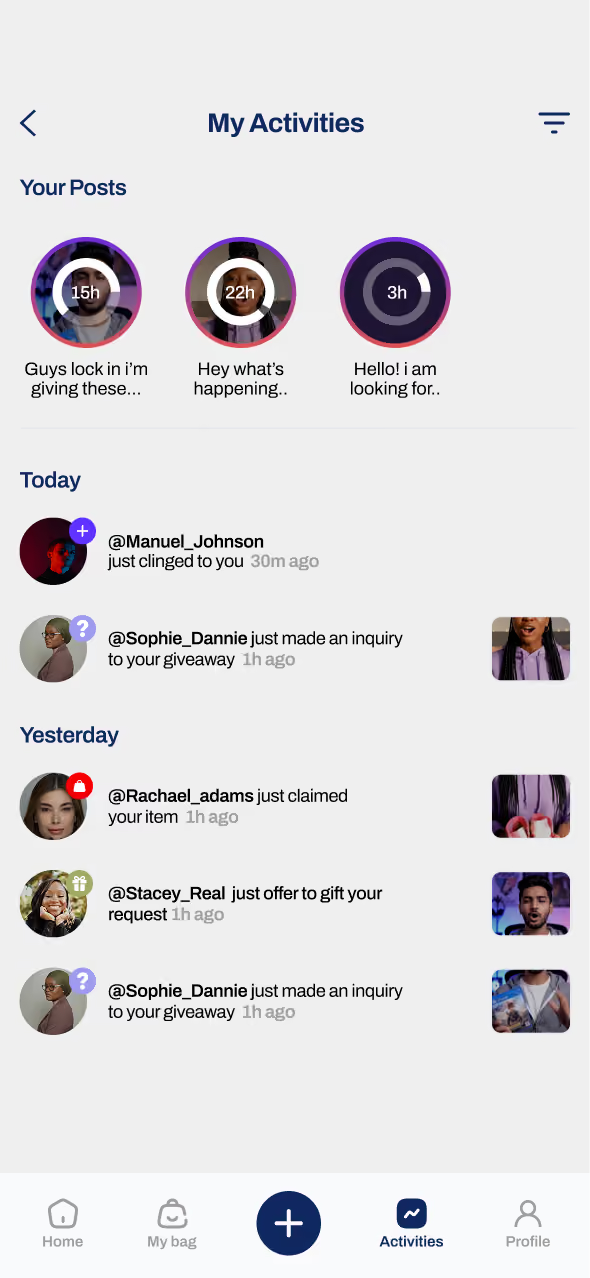
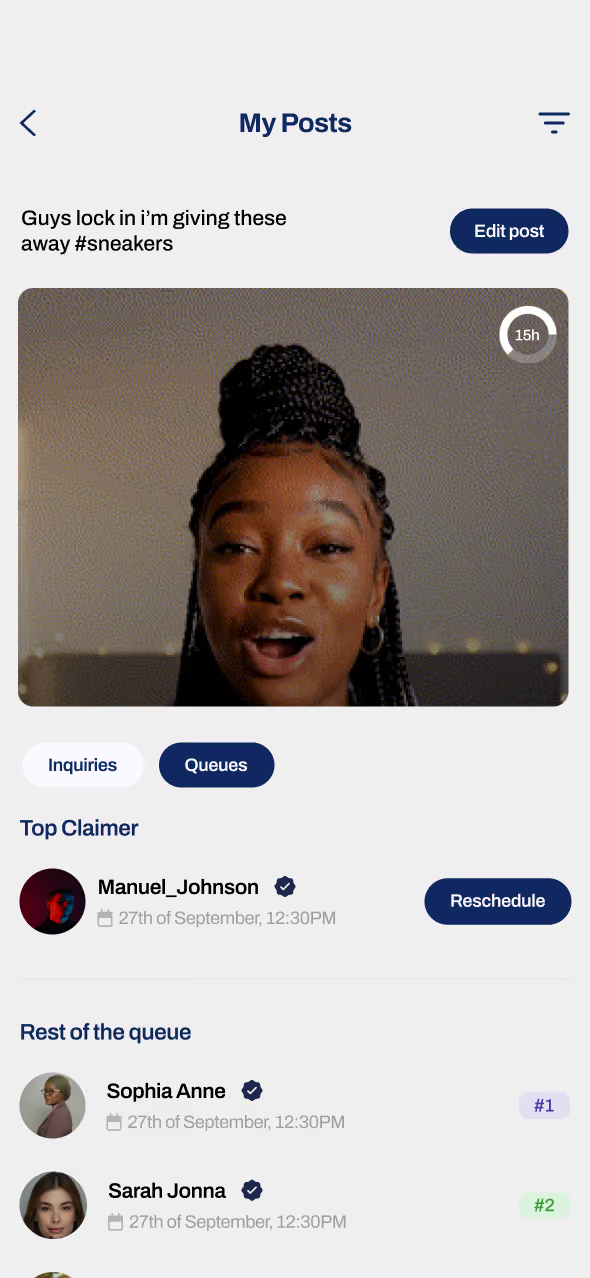
The Activities section serves as the user's central hub for tracking everything happening across their account. It provides real-time updates whenever someone claims an item, joins a queue, or makes an inquiry, ensuring users never miss important interactions. Recent activity is organized chronologically, giving users a clear overview of their ongoing and completed exchanges while making it easy to stay engaged with the community.
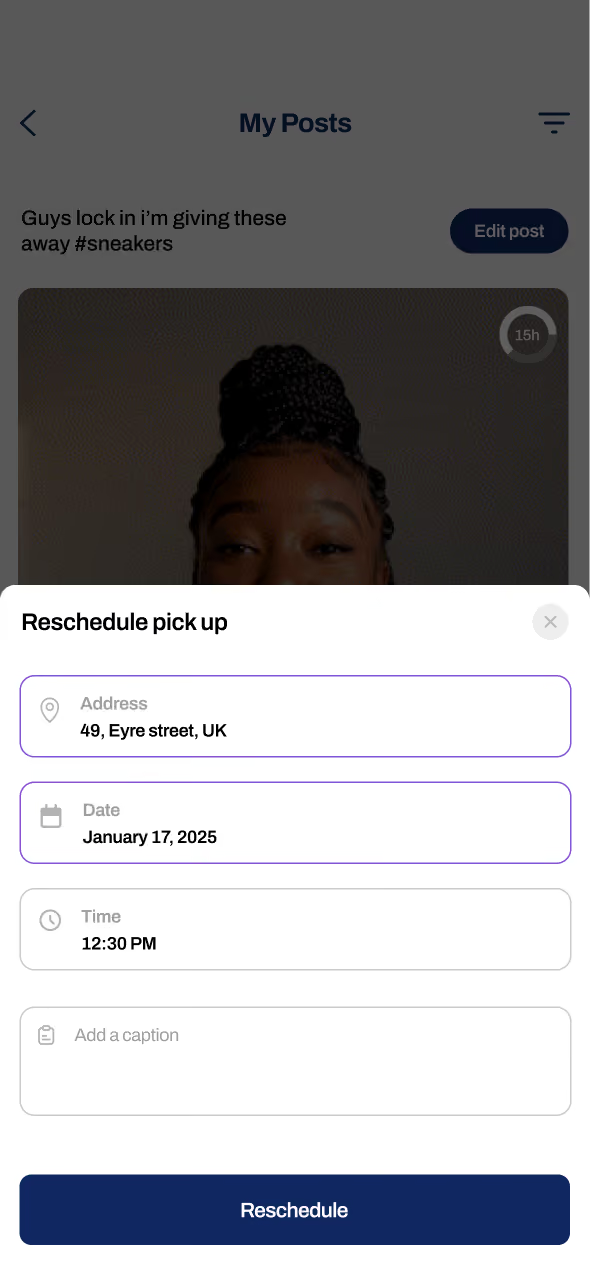
From this section, users can access and manage all of their published posts. Each listing displays its current status, active claimer, and the complete queue of users waiting for the item. If circumstances change, the owner can edit the post or reschedule the pickup by updating the collection date, time, location, or adding additional notes. These changes are communicated to the selected collector, keeping both parties informed without requiring lengthy conversations. By centralizing activity tracking, queue management, and post editing into one place, the experience remains organized, transparent, and easy to manage as users continue sharing items within the community.
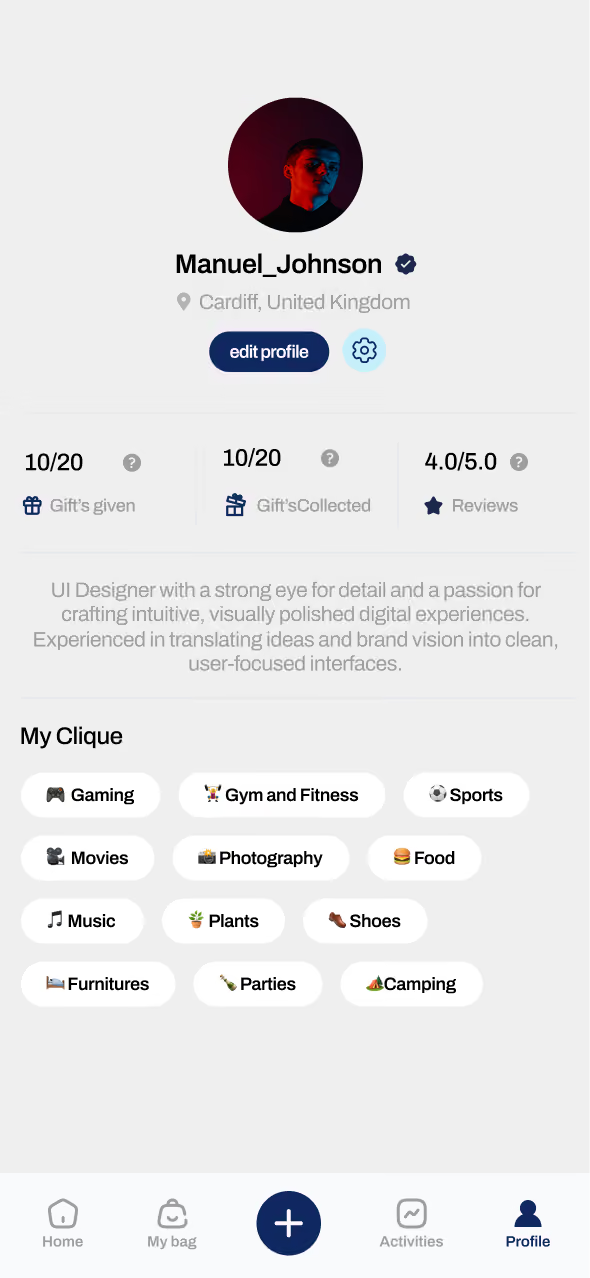
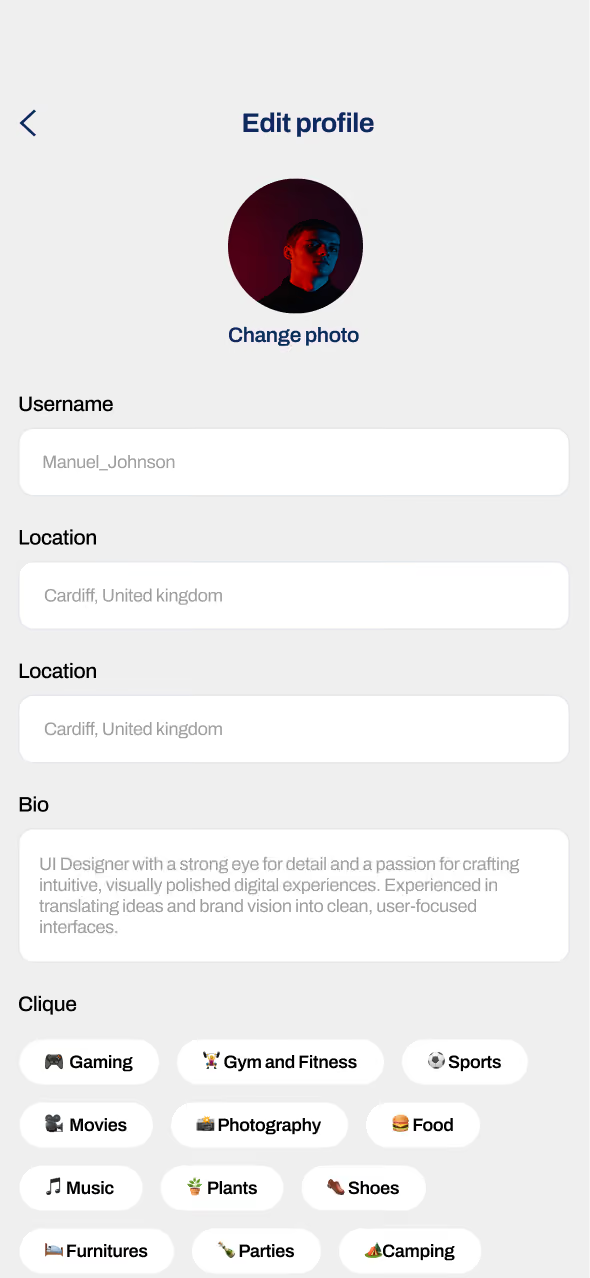
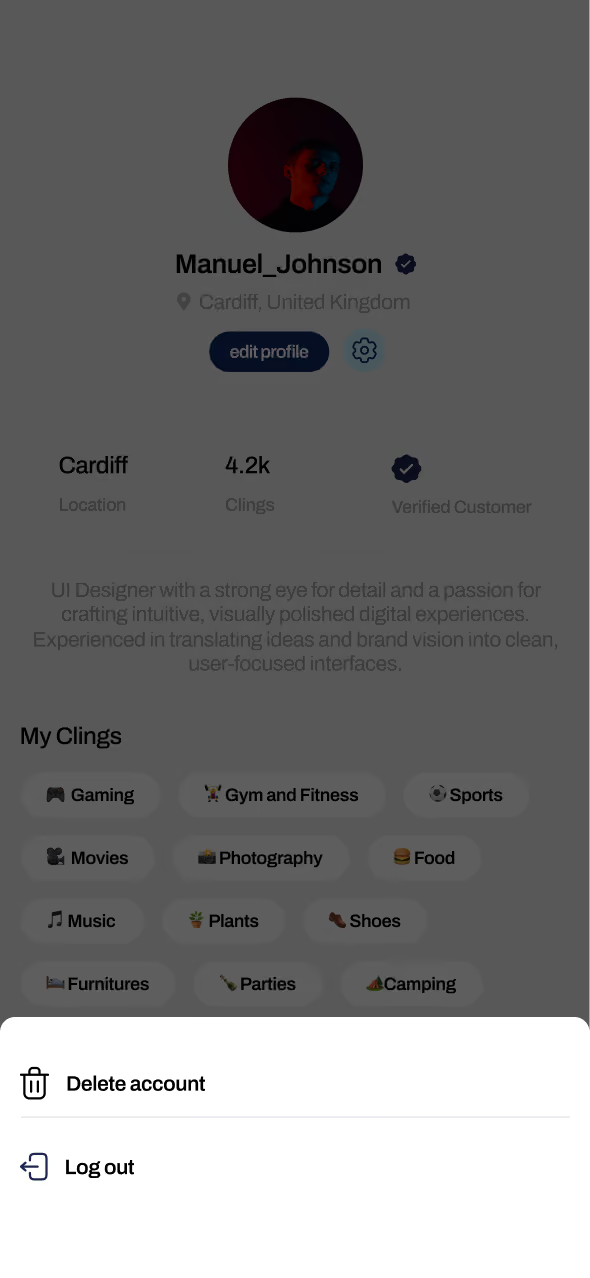
The profile page gives users a dedicated space to manage their identity within the Swing community while showcasing their contributions and interests. In addition to displaying their profile photo, location, and bio, the profile highlights key community metrics such as Items Given, Items Collected, and Community Rating. Users can also showcase the categories they're most interested in through their selected Cliques, making it easier for others to understand the kinds of items they enjoy and build more meaningful connections.
From the profile settings, users can update their personal information, change their profile photo, edit their bio, manage their interests, and keep their profile up to date as their preferences evolve. Account management options such as logging out or permanently deleting an account are also easily accessible, ensuring users have full control over their experience. By combining personalization with transparent contribution metrics, the profile reinforces trust while helping users build a recognizable presence within the Swing community.
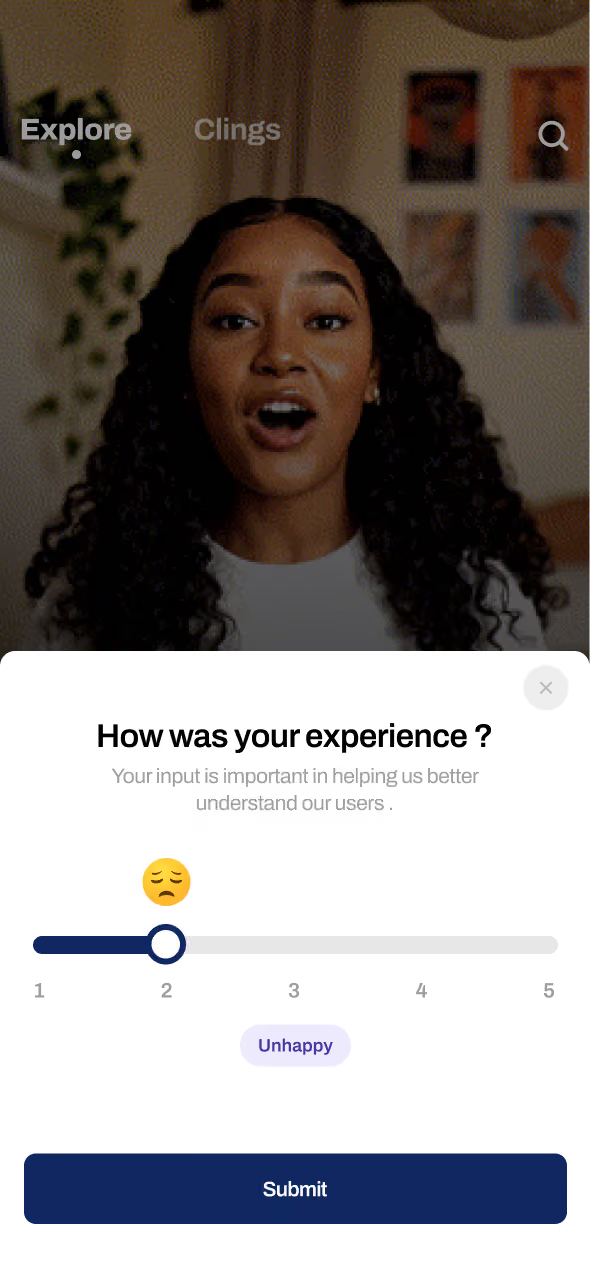
To continuously improve the community experience, Swing encourages users to share feedback after completing key interactions, such as collecting or giving away an item. A simple five-point rating scale allows users to quickly express how satisfied they were with the overall experience, making the process fast and effortless without interrupting the user journey.
This feedback helps identify areas for improvement while ensuring the platform continues to evolve around the needs of its community. By giving users a voice after every meaningful interaction, Swing can monitor satisfaction, uncover recurring issues, and make informed design decisions that lead to a more reliable, enjoyable, and user-centered experience.
Although Swing is a conceptual project, it demonstrates how thoughtful product design can simplify community sharing while encouraging more sustainable habits. By reimagining the experience of giving away free items, the platform addresses many of the frustrations found in traditional marketplaces—such as unreliable pickups, endless conversations, poor item transparency, and limited trust between strangers.
The final design delivers a complete end-to-end experience that supports both the giver and the collector throughout the entire journey. Features such as video-first listings, condition-based item descriptions, scheduled pickup windows, refundable commitment fees, queue management, personalized Cliques, and a community-driven reputation system work together to create a platform that is transparent, accountable, and easy to use.
More importantly, the project explores how design can influence behavior. Rather than rewarding users for buying and selling, Swing celebrates generosity by highlighting the number of items users have given, collected, and positively reviewed. This subtle shift encourages users to see value not in ownership, but in extending the life of everyday items and helping others within their community.
From a product design perspective, the project also demonstrates the importance of designing complete user journeys rather than isolated screens. Every interaction—from onboarding and discovery to claiming, queue management, collection, and feedback—was carefully considered to reduce friction and create a seamless experience. Features such as delayed address sharing improve user privacy, while queueing and refundable deposits reduce no-shows and ensure popular items have the best chance of reaching someone who genuinely needs them.
Ultimately, Swing showcases how digital products can do more than solve functional problems—they can inspire positive social impact. By making it easier for people to share instead of discard, the platform has the potential to reduce household waste, strengthen local communities, and encourage a culture of generosity where every item is given the opportunity to find a second home.


